How to identify Japanese knotweed
14.09.2016

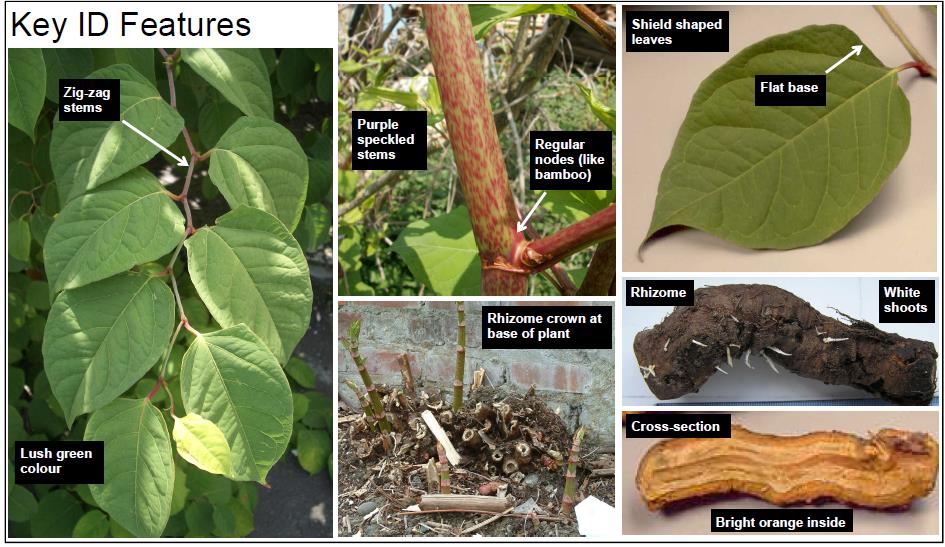
Image courtesy of nonnativespecies.org
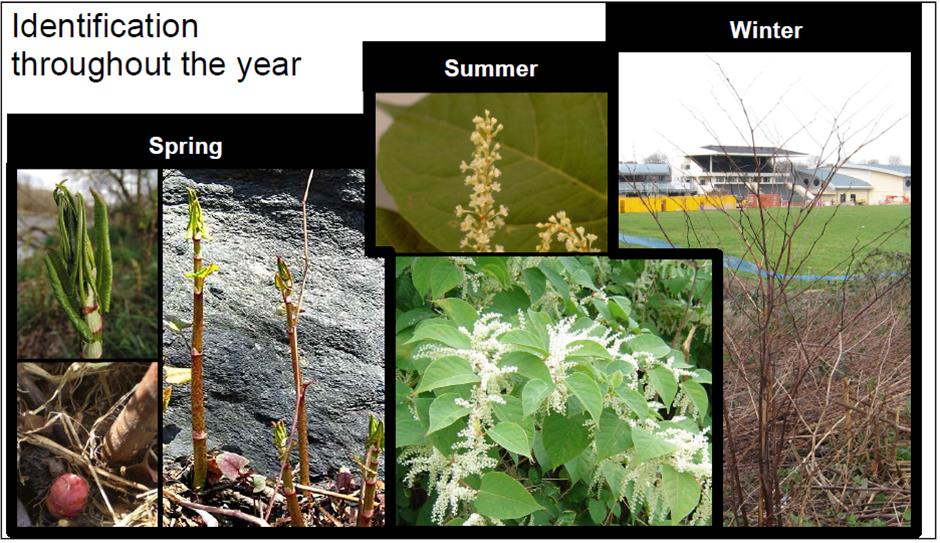
Japanese knotweed (fallopia Japonica) is considered to be one of the most invasive plants in Britain but would you recognise it if you came across it on a site? Can you recognise it just from its roots or in winter?
The photos here highlight what to look out for:
If Japanese knotweed is left untreated or is incorrectly treated then the potential for regrowth can be extremely high. Japanese knotweed can grow through and cause damage to paved and tarmac surfaces and also to drainage.
While it's not known for growing through concrete it can grow both internally and externally in a property through cracks and gaps in and around the concrete finishes/ floors. In addition it's been found to grow within external wall cavities and within sub-floor voids.
You don’t have to remove Japanese knotweed from your land, but you could be prosecuted or given a community protection notice for causing a nuisance if you allow it to spread onto anyone else’s property. You could also be fined up to £5,000 or be sent to prison for up to 2 years if you allow contaminated soil or plant material from any waste you transfer to spread into the wild.
Here’s a quick guide to the dos and dont's of Japanese knotweed
If Japanese knotweed is found on the site you must:
- Cordon off the area where the knotweed is situated so that machinery/foot traffic doesn’t accidentally spread the material across the site.
- Obtain specialist guidance, referring to the Environment Agency's guide below.
- Obtain and follow a copy of the Japanese knotweed management plan.
- If a herbicide treatment is to be carried out it's essential that the contractor used is competent and has appropriate National Proficiency Test Council (NPTC) certification.
- Get a copy of any insurance-backed treatment.
Find out more
Although withdrawn as an Agency document in July 2016 the Environment Agency’s guide to The knotweed code of practice (Amended July 2013) is still a good source of information.
Sources: http://www.nonnativespecies.org/index.cfm?sectionid=47
Read the Government guide Prevent Japanese knotweed from spreading and LABC's How to deal with Japanese knotweed


